
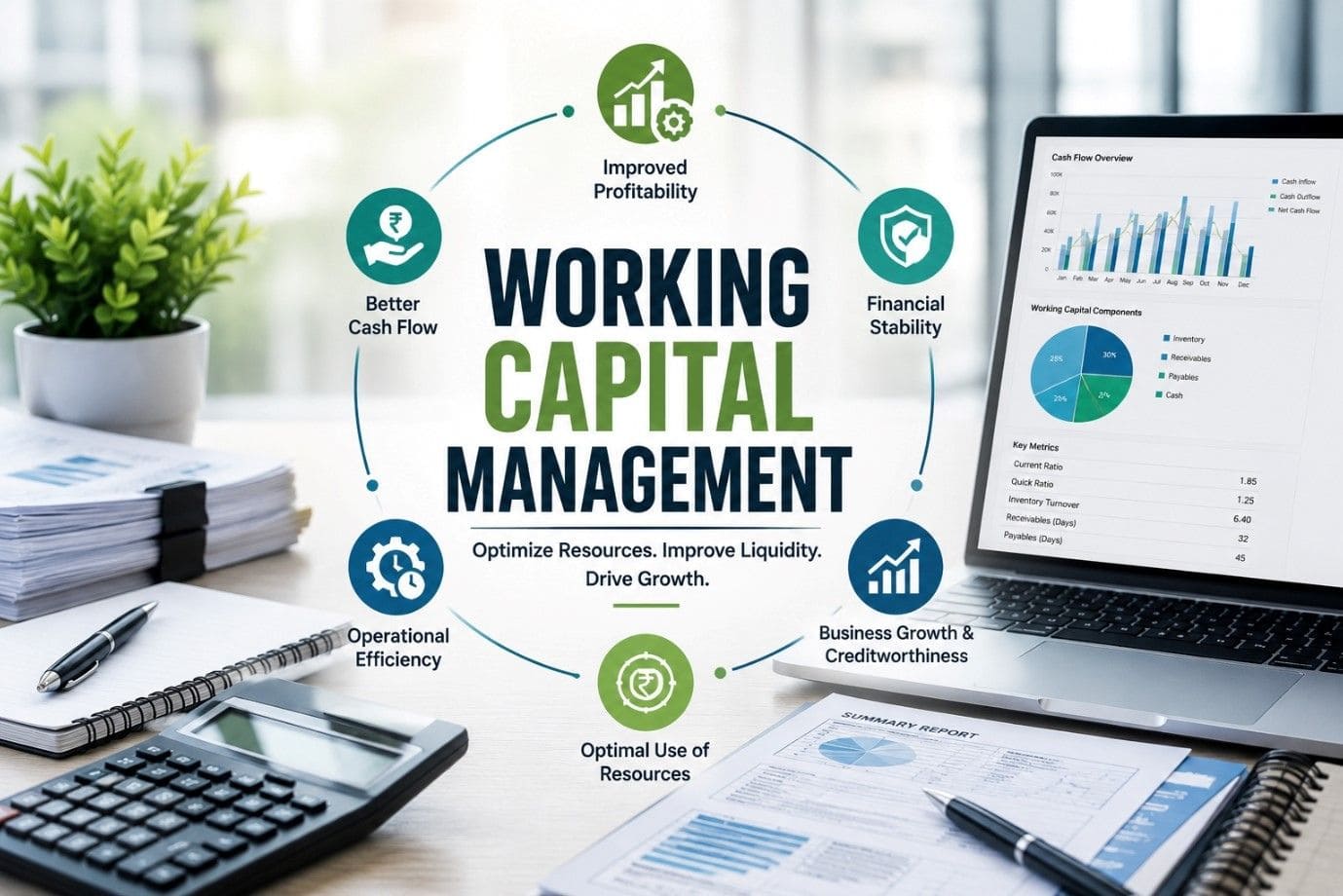
Working Capital Management
Running a profitable business does not always mean having enough cash available for daily operations. Many businesses generate strong sales and healthy profits on paper but still struggle to pay suppliers, salaries or other short-term expenses because their cash is tied up in inventory or unpaid customer invoices. This is where working capital management becomes essential. It helps businesses maintain the right balance between cash coming in and money going out, ensuring smooth day-to-day operations without unnecessary financial stress.

The need for working capital management goes beyond simply maintaining liquidity. It supports better decision-making, improves cash flow and helps businesses respond to unexpected expenses or new growth opportunities. In fact, the objective of working capital management is to ensure that a business has sufficient funds to meet its short-term obligations while making the most efficient use of its current assets and liabilities.
Whether you are a start-up, a growing SME or a large enterprise, managing working capital effectively is crucial for long-term success. The process of working capital management involves monitoring cash, inventory, accounts receivable and accounts payable to keep business operations running efficiently. A thorough analysis of working capital management also helps identify areas where cash can be optimized, making the working capital management of a company a key driver of financial stability, operational efficiency and sustainable business growth.
What is Working Capital Management?
Working capital is the difference between a company’s current assets and current liabilities. It represents the funds available to manage daily business operations and meet short-term financial obligations. The formula for calculating working capital is:
Working Capital = Current Assets − Current Liabilities
For detailed information, you can read our dedicated blog on Working Capital.
Current assets include cash, bank balances, inventory and accounts receivable (payments due from customers). Current liabilities include accounts payable (payments owed to suppliers), short-term loans, taxes payable, and other short-term liabilities.
Working capital management is the process of efficiently planning and controlling these assets and liabilities to maintain a healthy cash flow. Working capital management involves ensuring that a business has enough funds to pay its expenses on time while making the best use of available resources. This is a vital aspect of working capital management and finance, as it helps businesses remain financially stable and operationally efficient.
It is important to understand the difference between profitability and liquidity. A business may be profitable by generating good sales and earning profits, but it can still face cash shortages if payments from customers are delayed or too much money is tied up in inventory. This highlights the importance of working capital management in maintaining smooth business operations.
The objective of working capital management is to ensure adequate liquidity, reduce financial risks and support sustainable growth. Through effectively managing working capital, businesses can improve cash flow, meet their short-term obligations and make better financial decisions. Ultimately, the working capital management of a company plays a key role in strengthening financial health, enhancing operational efficiency and building a strong foundation for long-term business success.
Why is Working Capital Management Important?
The importance of working capital management lies in its ability to keep a business financially healthy and operationally efficient. Regardless of the size of a business, effective working capital management ensures that there is enough cash available to meet daily expenses while supporting long-term growth. It is a crucial part of financial management, helping businesses maintains the right balance between profitability and liquidity.
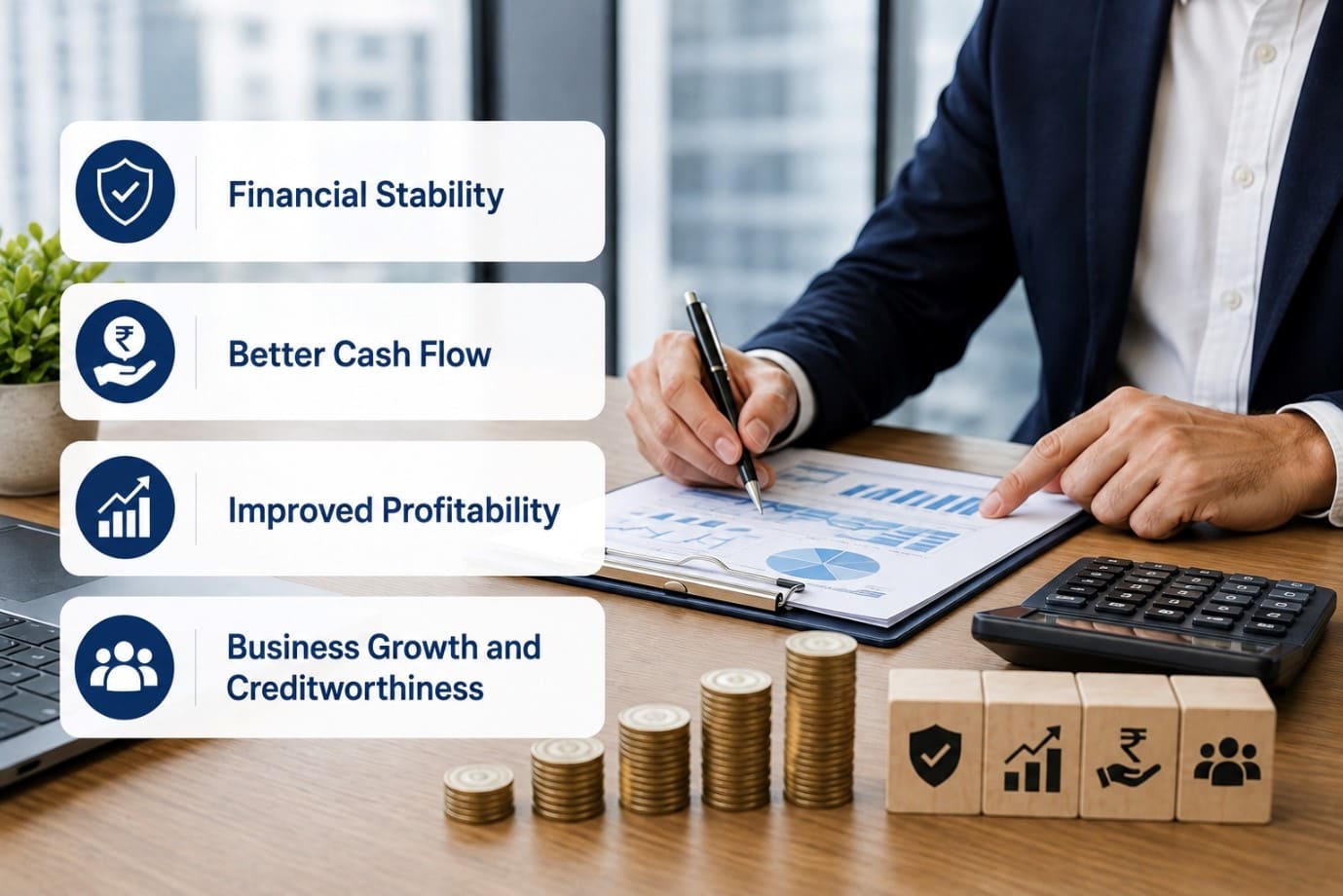
Financial Stability
One of the primary functions of working capital management is to ensure smooth business operations. By managing working capital effectively, businesses can pay suppliers, employees and other short-term obligations on time, reducing the risk of financial disruptions. This highlights the need for working capital management in maintaining stability during both normal operations and unexpected situations.
Better Cash Flow
A well-planned process of working capital management helps businesses maintain a healthy cash flow and avoid liquidity shortages. Efficient receivable management in working capital ensures faster collection of customer payments, while proper inventory management prevents excess funds from being locked in unsold stock. These practices also improve the operating cycle in working capital management and strengthen the overall working capital cycle in financial management.
Improved Profitability
Effective working capital management strategies reduce the need for expensive short-term borrowing, lower financing costs and enable businesses to negotiate better purchasing terms. An analysis of working capital management also helps identify areas where resources can be used more efficiently, improving overall profitability.
Business Growth and Creditworthiness
The objective of working capital management is not only to maintain liquidity but also to support business expansion and new investment opportunities. A strong working capital management of a company builds confidence among banks, investors and suppliers, making it easier to access funding and establish long-term business relationships. Ultimately, working capital management and finance work together to create a solid foundation for sustainable growth and financial success.
Key Components of Working Capital Management
Effective working capital management depends on managing several key financial areas that directly affect a company’s cash flow and daily operations. The process of working capital management involves balancing current assets and current liabilities to ensure smooth business performance and long-term financial stability.
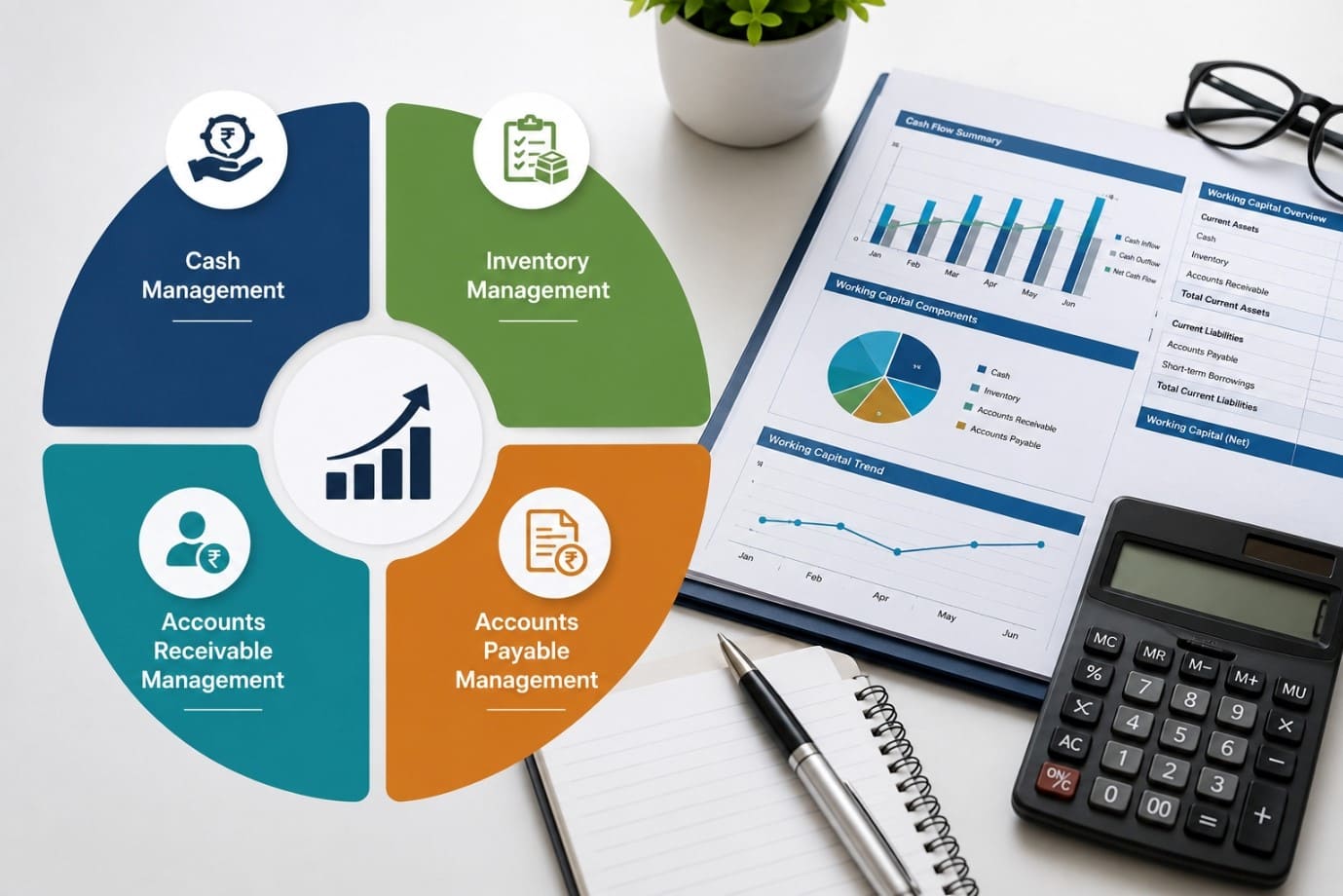
Cash Management
Cash is the lifeblood of any business. One of the key functions of working capital management is maintaining adequate cash reserves to meet day-to-day expenses such as salaries, rent, taxes and supplier payments. Regular cash flow forecasting helps businesses predict future cash needs, avoid shortages and make informed financial decisions. This is why working capital management in financial management focuses heavily on effective cash planning. For more information, you can also go through our dedicated blog on Cash Flow Forecasting.
Inventory Management
Efficient inventory management in working capital management ensures that businesses maintain the right level of stock without overinvesting in inventory. Overstocking increases storage costs and blocks valuable cash, while stock shortages can result in lost sales and dissatisfied customers. Monitoring inventory turnover helps businesses optimize stock levels and improve the working capital cycle in financial management, ultimately supporting better cash flow.
Accounts Receivable Management
Effective receivable management in working capital ensures that customer payments are collected on time. Setting clear credit policies, following up on outstanding invoices and monitoring Days Sales Outstanding (DSO) help reduce payment delays. Faster collections improve the operating cycle in working capital management and increase the availability of working capital for business operations.
Accounts Payable Management
Managing supplier payments is equally important. Businesses should negotiate favourable credit terms, schedule payments efficiently and maintain strong vendor relationships. These working capital management strategies help preserve cash without affecting supplier trust. The objective of working capital management is to create the right balance between receivables, inventory, payables and cash, ensuring the working capital management supports sustainable growth. This highlights the importance of working capital management in achieving financial efficiency and business success.
Common Working Capital Challenges Businesses Face
Even profitable businesses can face cash flow problems if their working capital management is not handled effectively. Many companies struggle to balance daily expenses with incoming cash, making it difficult to maintain smooth operations. This highlights the importance of working capital management as businesses grow and face changing market conditions. Identifying these challenges early allows companies to improve their financial stability through better strategies.
Some of the most common challenges include:
- Slow customer collections: Delayed payments from customers weaken cash flow, making receivable management in working capital a critical priority.
- Excess inventory: Overstocking ties up cash and increases storage costs, making inventory management in working capital management essential for maintaining liquidity.
- Seasonal demand fluctuations: Businesses with seasonal sales often experience periods of low cash inflows, affecting the working capital cycle in financial management.
- Rising operating expenses: Increasing costs such as salaries, rent, and utilities can put pressure on available working capital.
- Poor cash flow forecasting: Without proper planning, businesses may struggle to meet short-term financial obligations despite being profitable.
- Inefficient accounting systems: Outdated financial processes make working capital management more difficult and reduce decision-making efficiency.
- Unplanned business expansion: Rapid growth without adequate funding can disrupt the operating cycle in working capital management.
- Lack of financial controls: Weak monitoring and reporting make the analysis of working capital management less effective and increase financial risks.
Addressing these challenges strengthens the working capital management of a company and supports sustainable business growth through improved practices.
Practical Strategies to Improve Working Capital Management
Improving working capital management requires a proactive approach to controlling cash flow, current assets and short-term liabilities. By implementing the right working capital management strategies, businesses can improve liquidity, reduce financial risks and support sustainable growth. The objective of working capital management is not only to meet short-term obligations but also to maximize the efficient use of available resources.
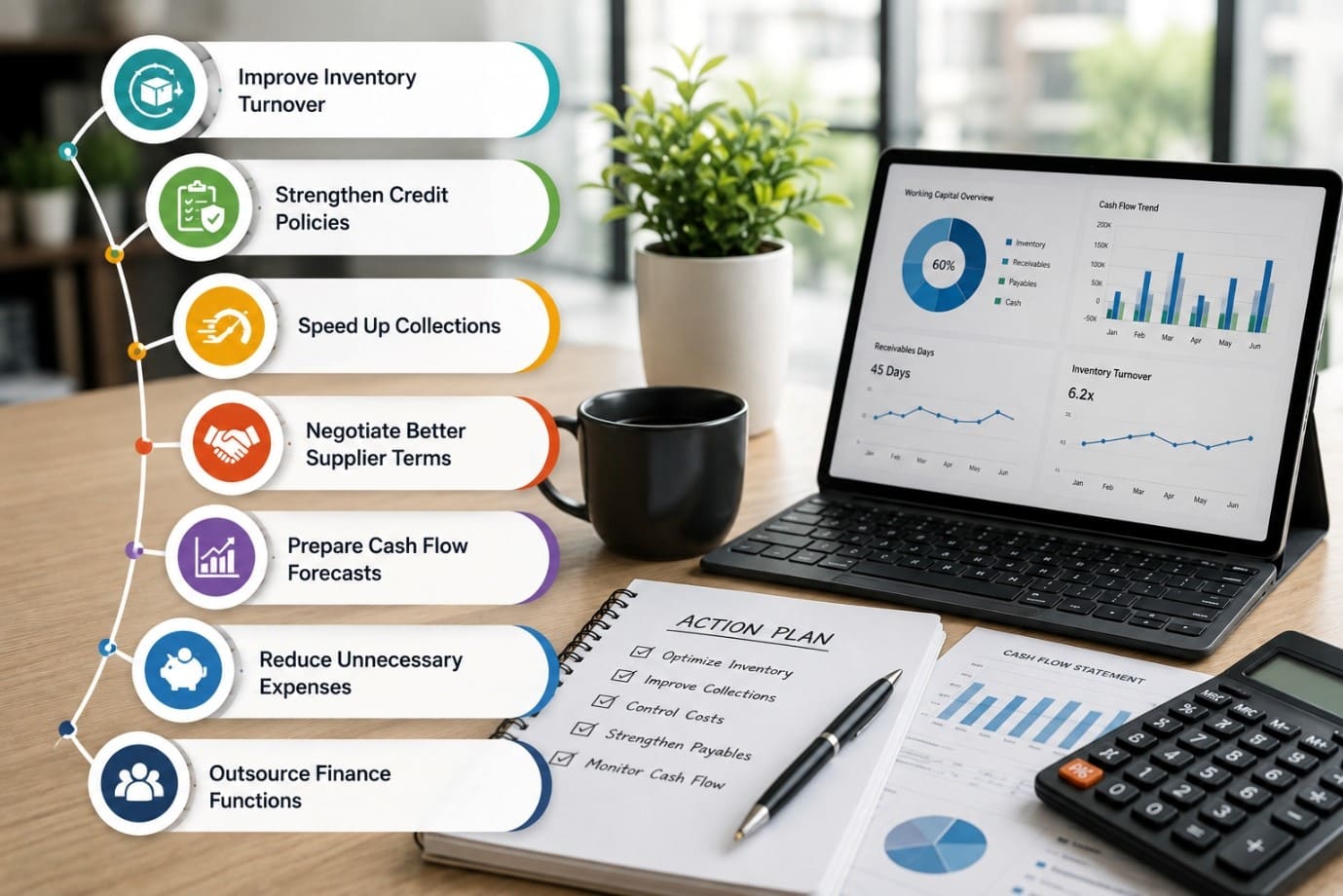

- Improve Inventory Turnover: Effective inventory management in working capital management helps businesses avoid overstocking while ensuring products are available when customers need them. Regularly reviewing inventory levels and improving inventory turnover frees up cash that can be invested in other business activities.
- Strengthen Credit Policies: Establish clear credit terms, assess customer creditworthiness and set payment deadlines before extending credit. Strong policies reduce bad debts and support better receivable management in working capital.
- Speed Up Collections: Delayed customer payments can create cash flow challenges. Sending timely invoices, following up on overdue payments and offering digital payment options help shorten the collection cycle and improve the working capital cycle in financial management.
- Negotiate Better Supplier Terms: Building strong relationships with suppliers allows businesses to negotiate longer payment terms without affecting trust. This helps preserve cash while maintaining smooth operations and improving the operating cycle in working capital management.
- Prepare Cash Flow Forecasts: Accurate cash flow forecasting enables businesses to anticipate future cash requirements, plan expenses and avoid liquidity shortages. It is an essential part of the process of working capital management.
- Automate Accounting Processes: Using modern accounting software reduces manual errors, improves financial reporting and provides real-time visibility into cash flow. Automation also simplifies the analysis of working capital management, enabling faster and more informed decisions.
- Monitor KPIs Monthly: Track key financial indicators such as the Current Ratio, Days Sales Outstanding (DSO), inventory turnover and the Cash Conversion Cycle. Regular monitoring helps identify issues early and strengthens the function of working capital management.
- Reduce Unnecessary Expenses: Review operational costs regularly and eliminate non-essential spending. Controlling expenses improves cash availability and supports better managing working capital.
- Use Technology and ERP Systems: ERP systems integrate finance, inventory, procurement and sales into a single platform, providing accurate financial data for better decision-making. This strengthens working capital management in financial management and enhances overall business efficiency.
- Outsource Finance Functions: Many growing businesses improve working capital management and finance by outsourcing accounting, bookkeeping and financial reporting instead of building a large in-house finance team. Professional accounting outsourcing services ensure accurate financial records, timely reporting and better cash flow visibility. Likewise, Virtual CFO services provide expert financial oversight, strategic planning, cash flow forecasting and performance monitoring.
These services help optimize the working capital management of a company, enabling business owners to make informed decisions, improve liquidity and focus on long-term growth. This clearly demonstrates the importance of working capital management in building a financially stable and resilient business.
Conclusion:
In today’s competitive business environment, working capital management is much more than a financial practice, it is the foundation of a healthy and sustainable business. A company may have strong sales and growing profits, but without proper cash flow management, it can still face financial difficulties. This is why managing working capital effectively is essential for maintaining liquidity, meeting short-term obligations and ensuring uninterrupted business operations.
The importance of working capital management lies in its ability to balance current assets and current liabilities while supporting profitability and long-term growth. From improving inventory management in working capital management and strengthening receivable management to optimizing the operating cycle in working capital management, every financial decision plays a role in enhancing business performance. The objective of working capital management is to ensure that businesses have sufficient funds to operate efficiently while making the best use of available resources.
Implementing effective working capital management strategies, conducting regular analysis and following a structured process enable businesses to identify financial risks early and respond proactively. Since working capital management involves continuous monitoring, accurate forecasting, and disciplined financial controls, it remains a vital aspect of working capital management.
Ultimately, the working capital management of a company determines its ability to withstand financial challenges, seize new growth opportunities and build lasting relationships with customers, suppliers, and investors. With expert financial guidance, robust accounting practices and a strategic approach to working capital management and finance, businesses can strengthen their financial position, improve resilience, and achieve sustainable long-term success.
For more information, you can explore our Homepage.
Frequently Asked Questions (FAQs)
Q1. What is working capital management?
A. Working capital management is the process of managing a company’s current assets and current liabilities to ensure it has enough cash to meet its short-term obligations. It includes monitoring cash, inventory, accounts receivable and accounts payable to maintain healthy cash flow and support smooth business operations. Effective working capital management helps businesses improve liquidity, reduce financial risks and achieve sustainable growth.
Q2. What is the objective of working capital management?
A. The primary objective of working capital management is to maintain an optimal balance between liquidity and profitability. It ensures that a business has enough working capital to meet short-term financial commitments while using its resources efficiently. A well-planned approach also supports business growth, reduces borrowing costs and improves overall financial performance.
Q3. Why is the importance of working capital management so high for businesses?
A. The importance of working capital management lies in its ability to keep a business financially stable. It ensures timely payment of salaries, suppliers and operating expenses while maintaining adequate cash flow. Proper managing working capital also helps businesses respond to unexpected expenses, avoid financial stress and support long-term growth.
Q4. What are the best working capital management strategies for growing businesses?
A. Some of the most effective working capital management strategies include improving inventory turnover, accelerating customer collections, negotiating better supplier payment terms, forecasting cash flow regularly, reducing unnecessary expenses and using accounting software for real-time financial monitoring. These strategies help businesses maintain healthy cash flow and improve profitability.
Q5. How does the process of working capital management help reduce financial risks?
A.The process of working capital management includes planning, monitoring, and controlling cash, inventory, receivables and payables. By regularly reviewing these components, businesses can identify potential cash shortages early, improve financial decision-making and reduce the risk of liquidity problems.