
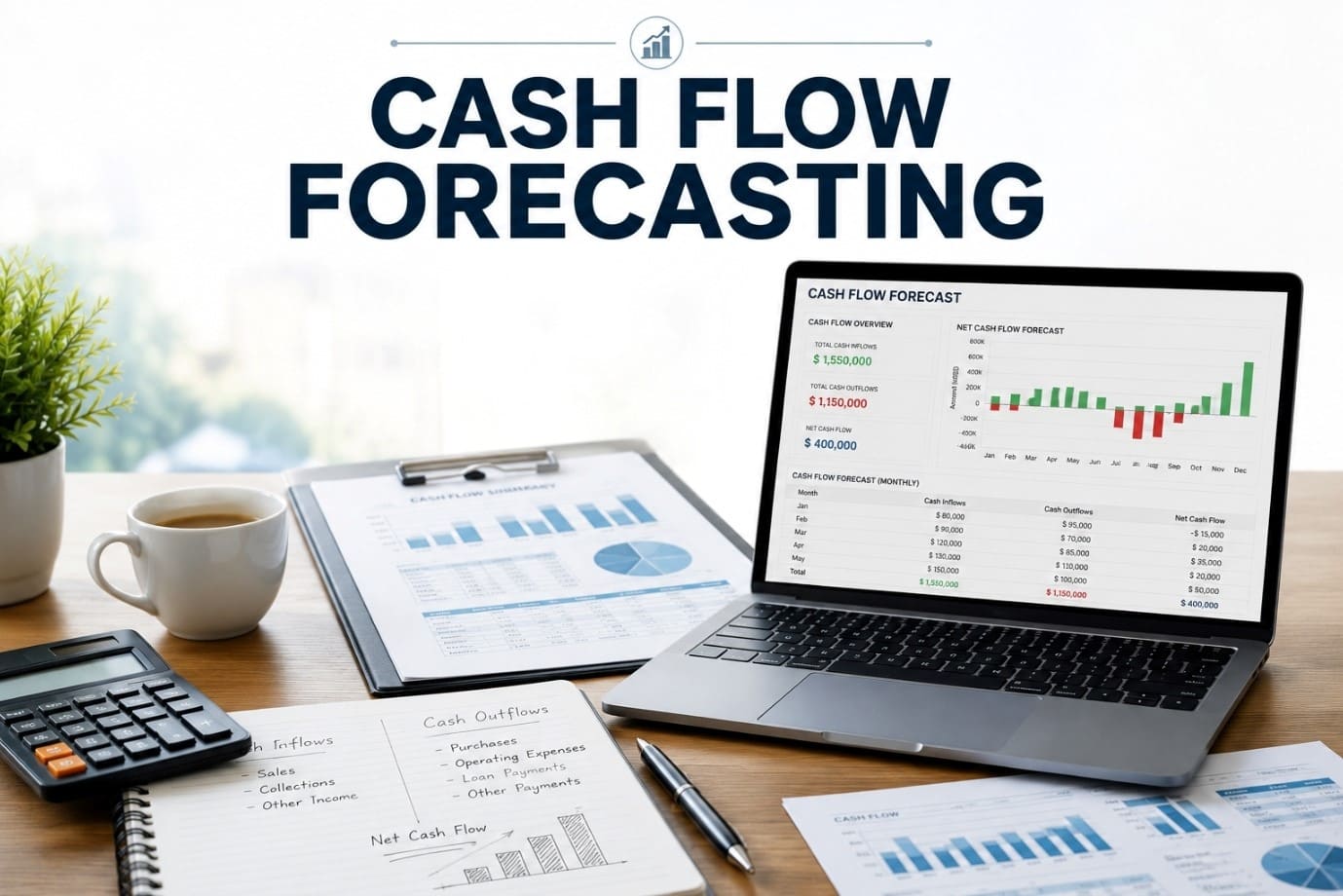
Cash Flow Forecasting
Many businesses assume that profitability is the ultimate measure of financial success. However, even highly profitable companies can face serious financial challenges if they fail to manage their cash effectively. Delayed customer payments, unexpected expenses, seasonal fluctuations and poor financial planning can quickly create liquidity issues. This is why cash flow forecasting is essential for businesses seeking long-term financial stability. By implementing effective cash flow and forecasting practices, organizations can gain better visibility into their future financial position and avoid unexpected cash shortages.
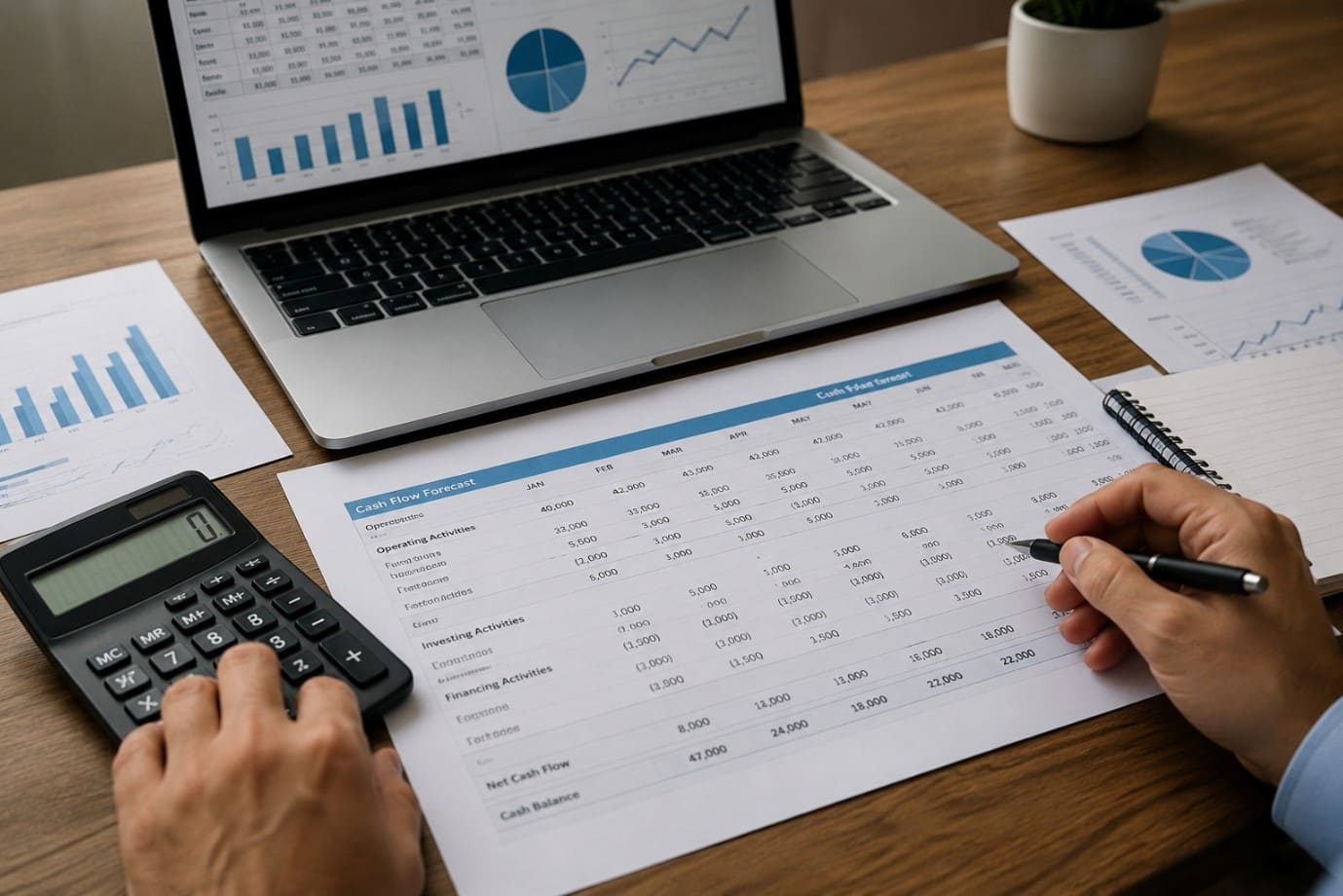
In today’s rapidly changing business environment, uncertainty has become a constant factor. Economic fluctuations, changing consumer behaviour, supply chain disruptions and market volatility can significantly impact a company’s financial health. Without accurate forecasting of cash flows, businesses may struggle to meet operational expenses, manage working capital or capitalize on growth opportunities. Understanding future cash inflows and outflows allows decision-makers to plan ahead, allocate resources efficiently and respond proactively to changing circumstances.
Cash flow forecasting is the process of estimating future cash receipts and payments over a specific period. It helps businesses predict their cash position, identify potential funding gaps and make informed financial decisions. Effective cash flow forecasting not only supports day-to-day operations but also strengthens strategic planning and risk management. As organizations face increasing financial complexity, forecasting of cash flows has evolved into a critical financial management tool that helps businesses improve liquidity, support sustainable growth and build resilience in an uncertain marketplace.
In this blog, we will explore the fundamentals of cash flow forecasting, its importance, key methods, the best practices and how businesses can use cash flow forecasting techniques to strengthen financial performance and achieve long-term success.
Understanding Cash Flow Forecasting
It is the process of estimating the amount of cash expected to flow into and out of a business over a specific period. The primary purpose of cash flow forecasting is to help organizations understand their future cash position, anticipate potential cash shortages and ensure sufficient funds are available to meet financial obligations. Effective forecasting of cash flows provides businesses with greater financial visibility and enables proactive planning rather than reactive decision-making.
While cash flow forecasting and budgeting are often used together, they serve different purposes. A budget focuses on planned income and expenses, whereas a cash flow projection specifically tracks the timing of actual cash inflows and outflows. Similarly, profit forecasting estimates expected profitability, while forecasting cash flows focuses on liquidity and the availability of cash needed to run daily operations.
Why It Matters
Effective cash flow forecasting practices play a critical role in maintaining financial stability and supporting business growth. Key benefits include:
- Ensures adequate liquidity to meet operational and financial commitments.
- Helps businesses avoid unexpected cash shortages and funding gaps.
- Supports smooth operational continuity by ensuring timely payments to employees, suppliers and creditors.
- Improves strategic planning through accurate cash flow projection and financial visibility.
- Enhances decision-making related to investments, expansion, and working capital management. For more details, read our in-depth blog on Working Capital Management.
- Strengthens risk management by identifying potential cash flow challenges in advance.
By implementing robust cash flow forecasting processes, businesses can improve financial control, reduce uncertainty and make more confident business decisions.
Why Cash Flow Forecasting Is Critical for Businesses
Effective cash flow forecasting is essential for maintaining financial stability and supporting sustainable business growth. By accurately tracking expected cash inflows and cash outflows, businesses can gain greater visibility into their financial future and make proactive decisions. Whether managing day-to-day operations or planning long-term expansion, cash flow forecasting provides valuable insights that help organizations navigate uncertainty and improve overall financial performance.
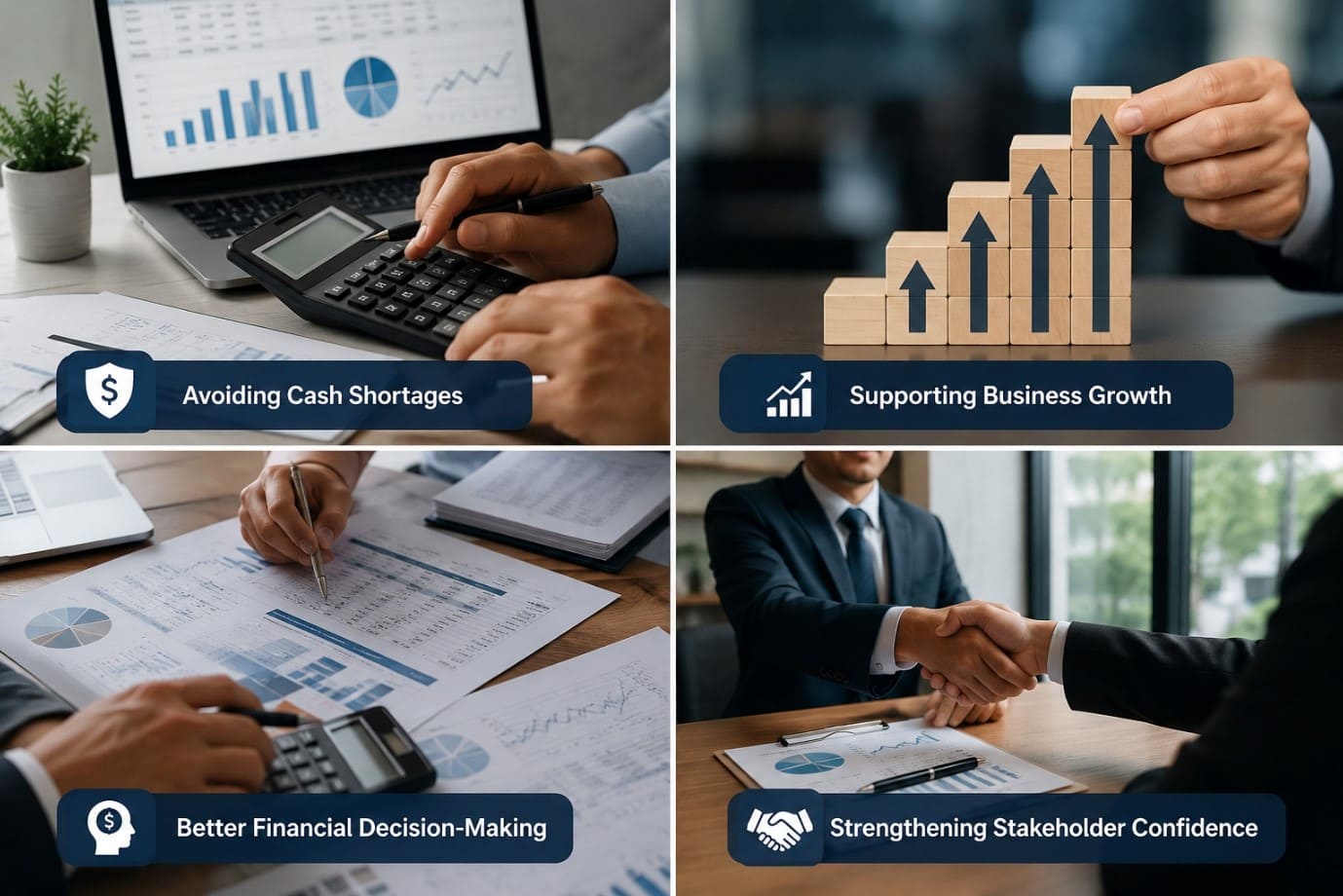
Avoiding Cash Shortages
One of the primary benefits of cash flow forecasting is its ability to help businesses prevent unexpected liquidity crises. Even profitable companies can face financial difficulties if cash is not available when needed. Through accurate forecasting, businesses can identify potential funding gaps in advance and take corrective action. A reliable cash flow projection also ensures that critical obligations such as employee salaries, supplier payments, utility bills and loan repayments are met on time, reducing operational disruptions and financial stress.
Supporting Business Growth
Growth requires careful financial planning, and forecasting cash flows plays a crucial role in supporting expansion initiatives. Businesses can use it to assess whether they have sufficient funds to open new locations, invest in technology, hire additional staff or launch new products and services. By understanding future cash inflows and cash outflows, organizations can pursue growth opportunities with greater confidence and reduced financial risk.
Better Financial Decision-Making
Accurate cash flow and forecasting enables business leaders to make informed financial decisions. It supports investment planning, helps optimize debt management strategies, and improves resource allocation across departments. Modern cash flow forecasting software further enhances accuracy by providing real-time financial insights and scenario analysis, enabling businesses to respond quickly to changing conditions.
Strengthening Stakeholder Confidence
Reliable forecasting of cash flows demonstrates financial discipline and transparency. Investors, lenders and business partners are more likely to trust organizations that maintain accurate projections and strong financial controls. Effective cash flow forecasting helps build confidence among stakeholders, improves access to funding, and strengthens long-term business relationships.
Key Components of a Cash Flow Forecast
An accurate cash flow forecasting process is built on a clear understanding of all expected cash inflows and cash outflows. The effectiveness of cash flow forecasting depends on how accurately these components are identified, measured and monitored. A comprehensive cash flow projection provides businesses with a realistic view of their future financial position, helping them make informed decisions and maintain financial stability.
Cash Inflows
It represents all sources of money entering the business and form a critical part of forecasting cash flows.
- Sales Revenue: The primary source of cash inflows for most businesses includes:
- Cash sales received immediately from customers.
- Collections from credit sales and outstanding receivables.
- Recurring revenue from subscriptions or service contracts.
- Other Income Sources: Additional cash inflows may come from-
- Returns on investments and interest income.
- Business loans and credit facilities.
- Proceeds from asset sales.
- Government grants, subsidies and incentives.
Cash Outflows
It includes all expenses and payments that reduce available cash.
- Operating Expenses: Regular business expenses such as-
- Employee salaries and wages.
- Office or facility rent.
- Utility bills and maintenance costs.
- Marketing and advertising expenditures.
- Capital Expenditure: Long-term investments including-
- Equipment and machinery purchases.
- Technology upgrades.
- Infrastructure development and expansion projects.
- Financing Costs: Financial obligations such as-
- Loan repayments.
- Interest payments on borrowed funds.
- Lease and financing charges.
- Taxes and Compliance Costs: A reliable cash flow forecasting model must also account for tax liabilities and regulatory expenses. These may include GST payments, income taxes, professional fees, audit expenses and statutory compliance costs. Modern cash flow forecasting software can help businesses track these obligations accurately, improving the quality of forecasting and enabling more effective financial planning.
Types of Cash Flow Forecasting
Businesses use different types of cash flow forecasting depending on their financial objectives, operational requirements and planning horizon. Effective forecasting helps organizations monitor future cash inflows and cash outflows, enabling better financial control and decision-making. The three primary types of cash flow forecasting are short-term, medium-term and long-term forecasts.
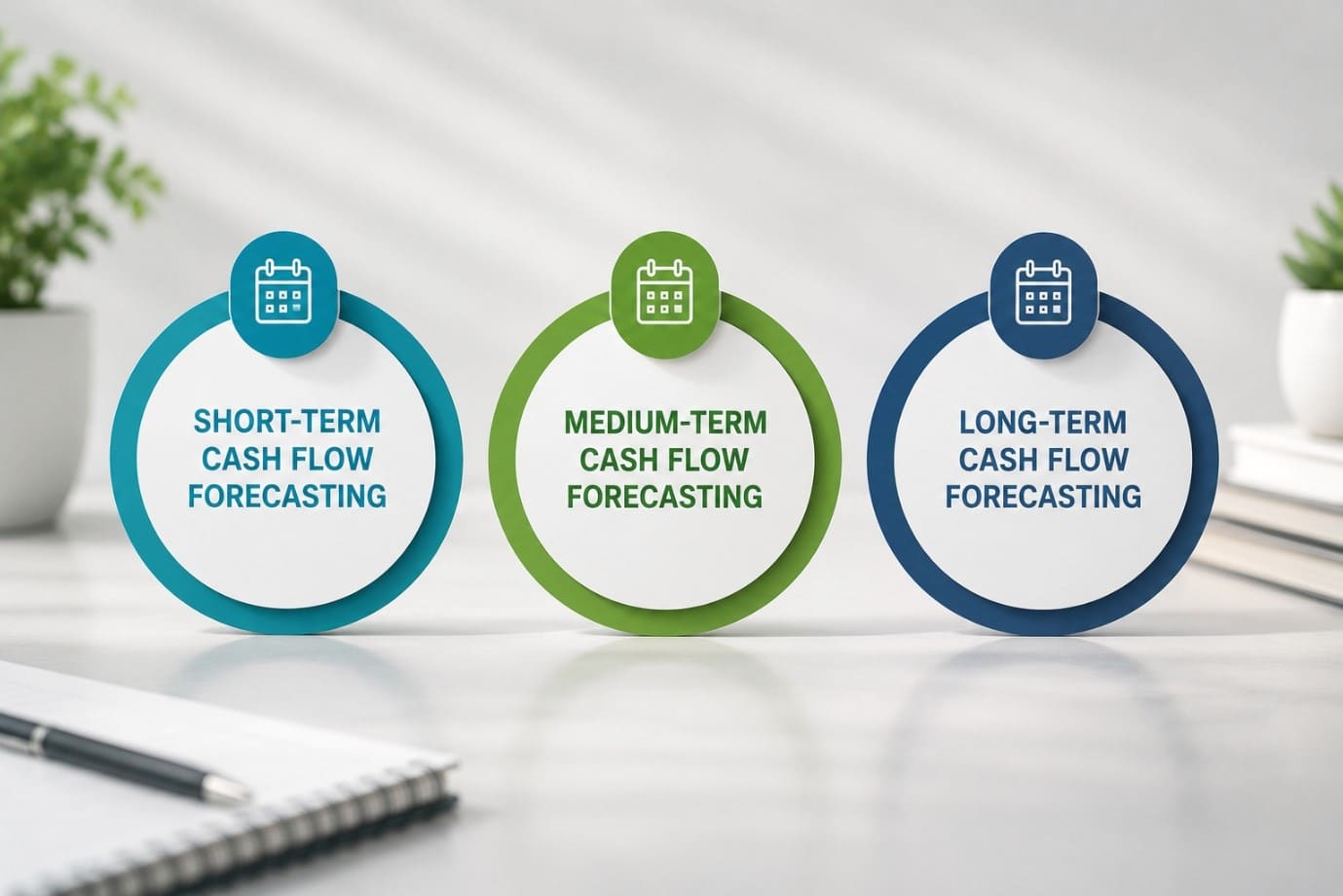
Short-Term Cash Flow Forecasting
It typically covers periods ranging from daily and weekly forecasts to monthly projections. This type of cash flow projection is primarily used to manage liquidity and ensure that sufficient cash is available to meet immediate financial obligations.
- Best suited for:
- Daily cash management
- Payroll planning
- Supplier and vendor payments
- Managing short-term working capital requirements
Medium-Term Cash Flow Forecasting
It generally covers a period of 3 to 12 months. It provides businesses with greater visibility into upcoming financial requirements and supports operational planning.
- Best suited for:
- Budget monitoring
- Business planning and forecasting
- Resource allocation
- Managing seasonal cash flow variations
Long-Term Cash Flow Forecasting
It extends beyond 12 months and focuses on strategic financial planning. This type of cash flow projection helps businesses evaluate future growth opportunities and prepare for major financial commitments.
- Best suited for:
- Strategic growth planning
- Fundraising and investor discussions
- Capital expenditure planning
- Business expansion initiatives
Many organizations leverage advanced cash flow forecasting software to automate forecasting, improve accuracy, and generate forecasts across multiple time horizons. By combining short-, medium-, and long-term cash flow forecasting practices, businesses can maintain financial stability while supporting sustainable growth.
Common Cash Flow Forecasting Methods
Selecting the right cash flow forecasting method is essential for generating accurate financial insights and maintaining effective control over future cash inflows and cash outflows. Different methods of forecasting serve different business needs, depending on the planning horizon, data availability and desired level of accuracy.
Direct Cash Flow Forecasting Method
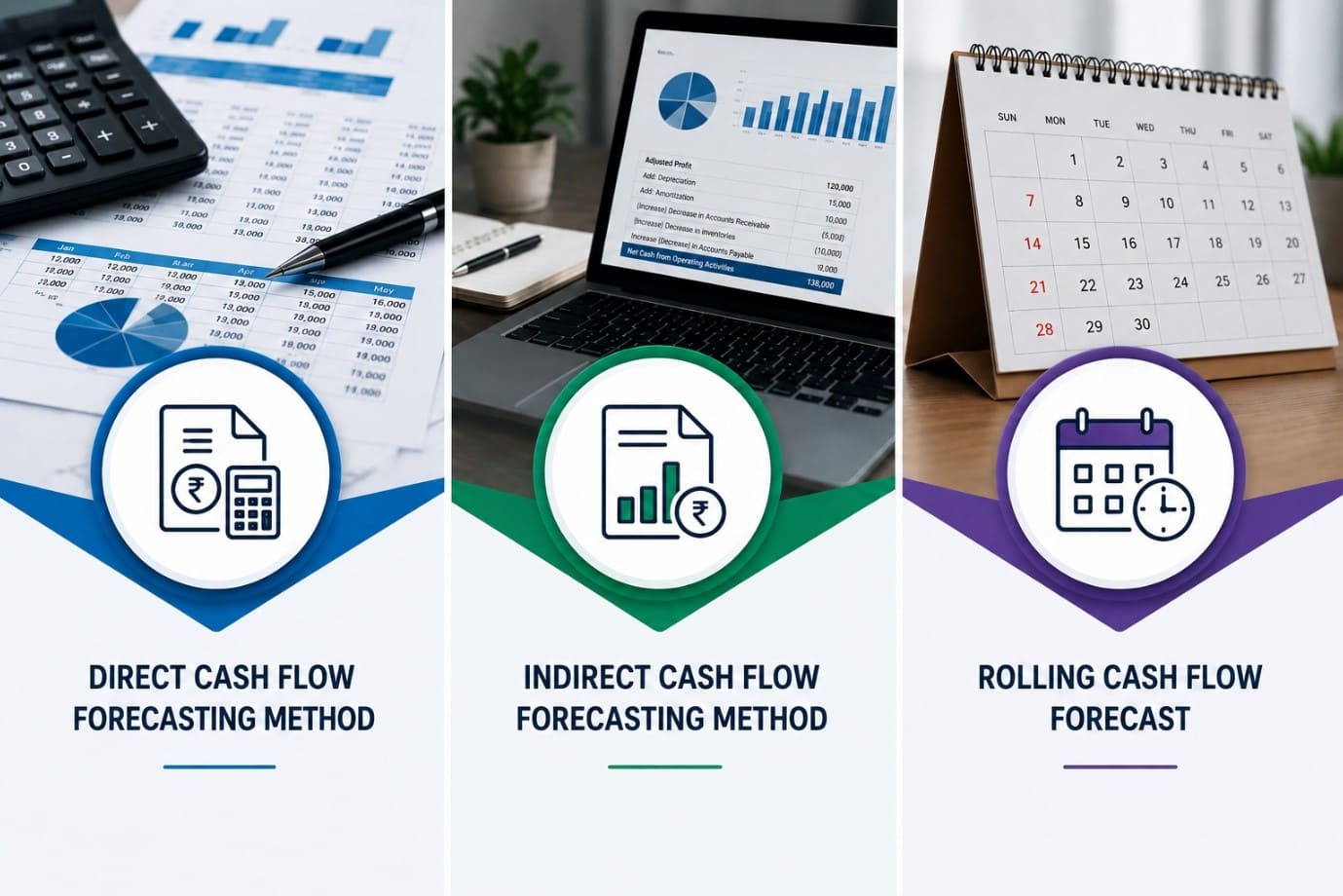
It focuses on actual expected cash receipts and payments. It estimates future cash inflows from customer collections and other income sources while projecting outflows such as payroll, rent, vendor payments and operating expenses.
- Advantages:
- High accuracy for short-term cash flow projection
- Provides detailed visibility into daily and weekly cash movements
- Ideal for liquidity management
- Limitations:
- Time-intensive and data-heavy
- Requires regular updates and monitoring
Indirect Cash Flow Forecasting Method
The indirect method uses information from financial statements, including the balance sheet and income statement, to estimate future cash positions. Instead of tracking individual transactions, it analyses profitability and adjusts for non-cash items to support forecasting cash flows.
- Advantages:
- Suitable for medium- and long-term planning
- Supports strategic financial analysis
- Easier to integrate with budgeting processes
- Limitations:
- Less precise for immediate cash management
- May not accurately reflect short-term liquidity requirements
Rolling Cash Flow Forecast
A rolling forecast is a dynamic approach where the forecast period is continuously updated as new financial data becomes available. Instead of ending at a fixed date, the forecast extends forward regularly, improving the accuracy of cash flow forecasting.
- Benefits:
- Continuous visibility into future cash inflows and cash outflows
- Supports dynamic planning and faster decision-making
- Enhances adaptability in changing business conditions
- Limitations:
- Requires ongoing monitoring and frequent revisions
- Can be resource-intensive without proper systems
Many organizations use advanced cash flow forecasting software to automate these methods, improve forecast accuracy and streamline the overall process of forecasting for better financial planning and control.
Steps to Create Cash Flow Forecasting
A well-structured cash flow forecasting process helps businesses anticipate future financial needs, manage liquidity effectively and make informed decisions. By following a systematic approach to forecast cash flows, organizations can improve the accuracy of their cash flow projection and gain greater control over future financial performance.
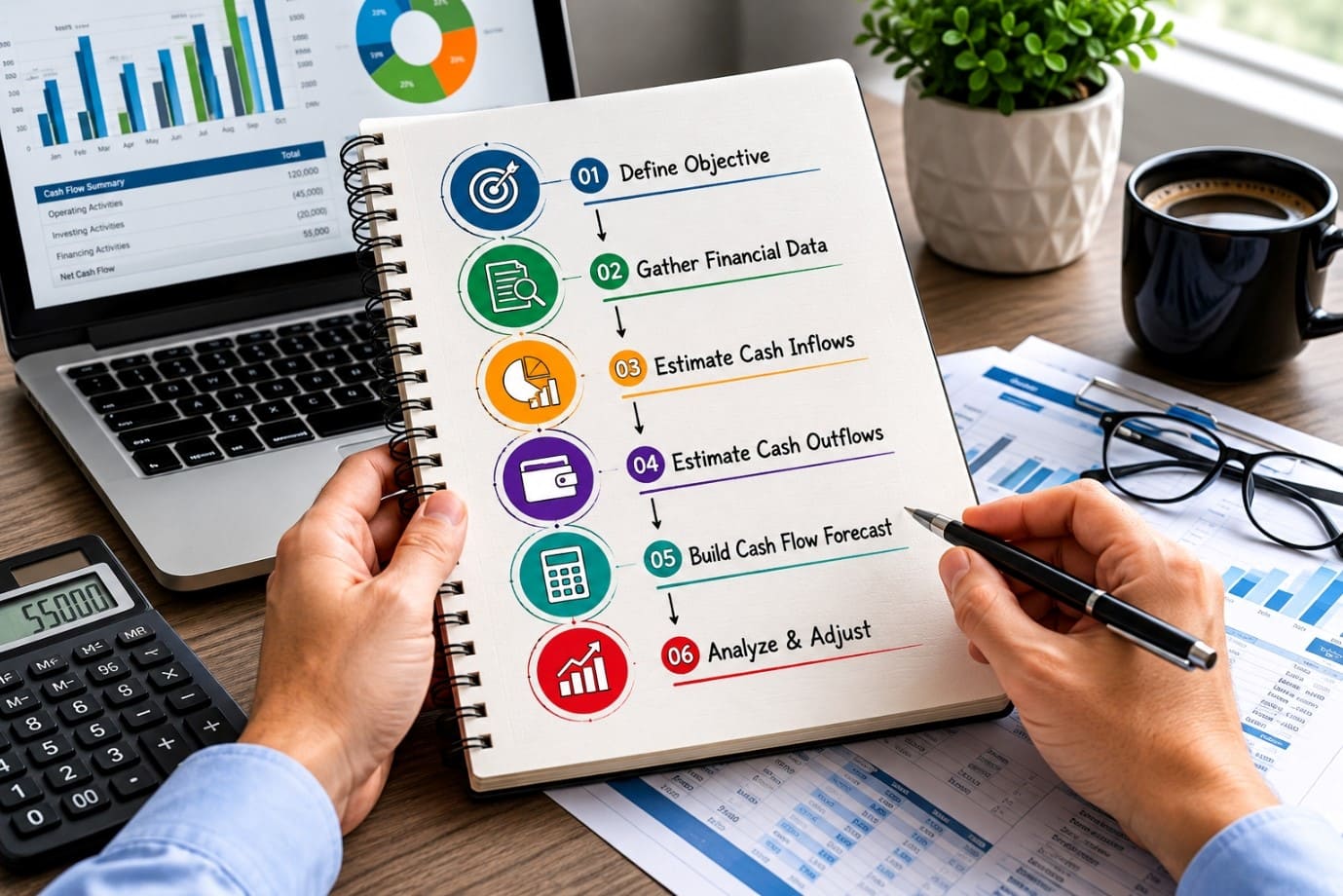
Step 1: Determine the Cash Flow Forecasting Period
The first step in cash flow forecasting is selecting an appropriate forecasting period. The timeframe should align with your business objectives and financial planning requirements. Short-term forecasts may cover daily, weekly or monthly periods, while long-term forecasts can extend beyond a year. Choosing the right period ensures that your cash flow projection provides meaningful insights for decision-making and resource planning.
Step 2: Gather Historical Financial Data
Accurate forecasting of cash flows begins with analysing historical financial information. Review past sales records, bank statements, accounts receivable reports, expense trends and seasonal business patterns. Historical data helps identify recurring trends in cash inflows and cash outflows, making future forecasts more reliable and realistic.
Step 3: Estimate Future Cash Inflows
The next step is to estimate all expected cash inflows during the forecast period. This includes cash sales, customer collections, recurring revenue, investment income, grants, loans and any other anticipated sources of cash. A realistic assessment of incoming funds is essential for effective cash flow forecasting and helps businesses avoid overly optimistic projections.
Step 4: Forecast Future Cash Outflows
Once expected income has been identified, businesses should estimate future cash outflows. These may include payroll expenses, rent, utilities, supplier payments, taxes, loan repayments, marketing costs and planned capital expenditures. Carefully forecasting cash outflows ensures a more accurate projection and helps prevent unexpected financial strain.
Step 5: Calculate Net Cash Flow
After estimating total cash flows, calculate the net cash flow for each forecasting period. This is done by subtracting projected cash outflows from projected cash inflows. The result helps determine whether the business is expected to generate a cash surplus or face a potential shortfall, providing valuable insight into future liquidity.
Step 6: Review and Adjust Assumptions
No cash flow forecasting model remains accurate without regular review. Market conditions, customer behaviour, operating costs and business priorities can change over time. Businesses should periodically evaluate the assumptions used in their forecasts and adjust estimates whenever new information becomes available. This improves the accuracy of forecasting and supports better financial planning.
Step 7: Update the Forecast Regularly
Effective cash flow forecasting is an ongoing process rather than a one-time exercise. Businesses should regularly compare actual results with projected figures and update forecasts accordingly. Frequent updates help identify emerging risks and opportunities while improving forecast reliability. Many organizations use advanced cash flow forecasting software to automate updates, monitor performance and streamline the overall process of forecasting for better financial control.
Common Challenges in Cash Flow Forecasting
While cash flow forecasting is an essential financial management practice, businesses often encounter several challenges that can affect the accuracy of their forecasts. Effective forecasting requires reliable data, realistic assumptions and continuous monitoring of business performance.
- Inaccurate revenue projections: One of the most common challenges is inaccurate revenue projections. Overestimating future sales can lead to unrealistic expectations regarding cash inflows, resulting in an unreliable projection.
- Delayed customer payments: Similarly, delayed customer payments can disrupt expected cash collections and create liquidity gaps, even when sales performance remains strong.
- Seasonal demand fluctuations: Another significant challenge is seasonal demand fluctuations. Many businesses experience periods of high and low sales activity throughout the year, making forecasting more complex.
- Unexpected business expenses: In addition, unexpected business expenses, such as equipment repairs, legal costs, emergency purchases or market disruptions, can increase cash outflows beyond forecasted levels and strain available resources.
- Lack of real-time financial data:A further obstacle is the lack of real-time financial data. Without timely access to accurate financial information, businesses may struggle to maintain effective cash flow and forecasting processes, leading to outdated projections and poor decision-making.
How Businesses Can Overcome These Challenges
To improve the accuracy of cash flow forecasting, businesses should regularly update financial data, closely monitor receivables, review assumptions frequently, and prepare multiple forecast scenarios. Leveraging modern cash flow forecasting software can also help automate data collection, improve visibility into cash inflows and cash outflows and enhance the overall reliability of forecasting. By adopting a proactive approach, organizations can minimize uncertainty and make more informed financial decisions.
Best Practices for Accurate Cash Flow Forecasting
Effective cash flow forecasting requires more than simply estimating future income and expenses. To improve the accuracy of forecasting of cash flows, businesses must adopt structured processes, use reliable data and continuously refine their forecasting approach. Following these best practices can significantly enhance the quality of your cash flow projection and support better financial decision-making.
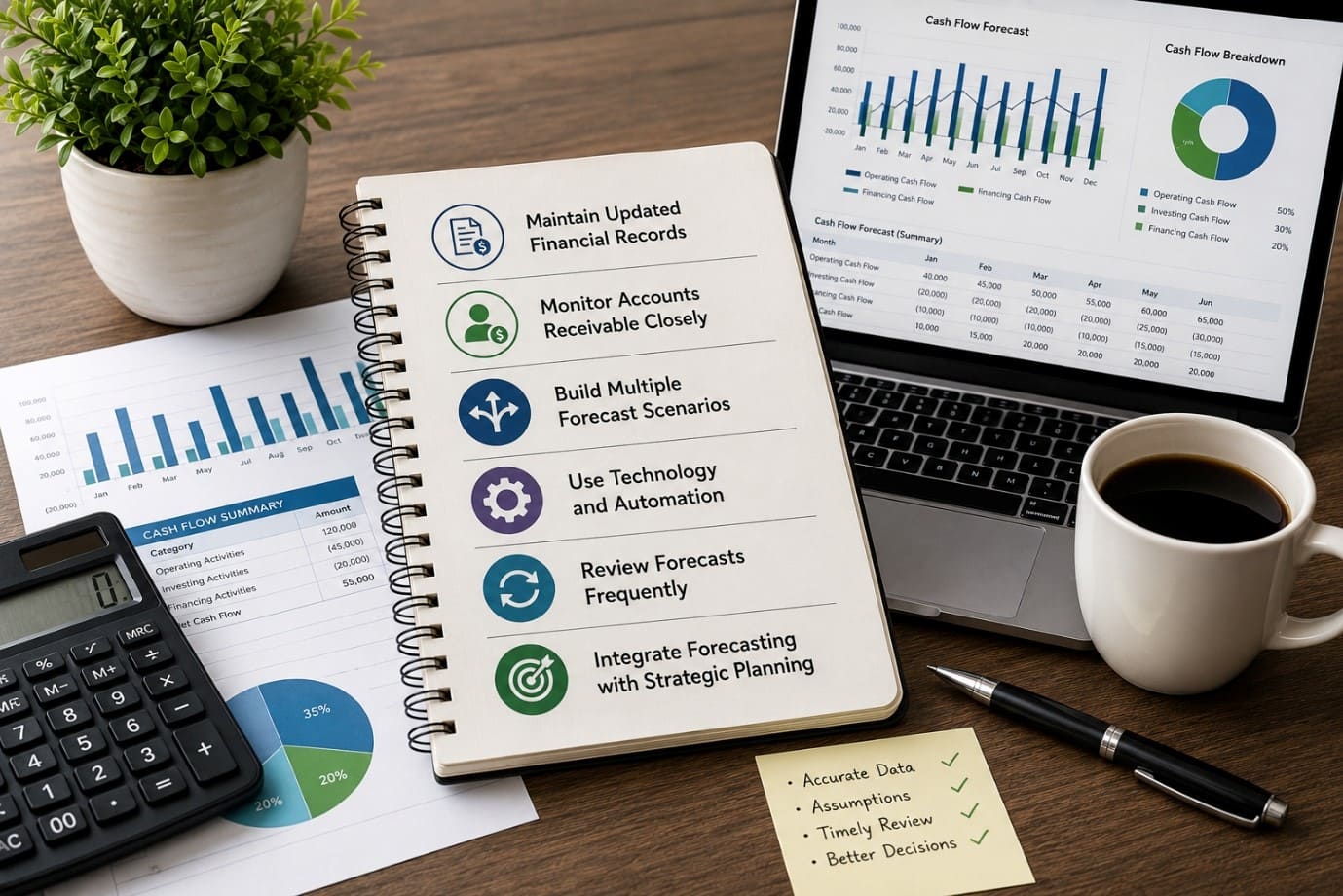
Maintain Updated Financial Records
Accurate cash flow forecasting begins with reliable financial data. Businesses should ensure that accounting records, bank transactions, receivables, payables and expense reports are updated regularly. Clean and current financial information provides a strong foundation for effective forecasting cash flows and reduces the risk of errors in future projections.
Monitor Accounts Receivable Closely
Since customer payments are a major source of cash inflows, businesses should actively track outstanding invoices and collection timelines. Monitoring accounts receivable helps improve visibility into expected cash inflows and minimizes forecasting inaccuracies caused by delayed payments.
Build Multiple Forecast Scenarios
Scenario planning is a crucial component of successful cash flow forecasting.
- Best Case Scenario: Assumes stronger-than-expected sales, faster customer collections and lower operational expenses.
- Expected Scenario: Represents the most realistic outlook based on current business performance and market conditions.
- Worst Case Scenario: Accounts for reduced sales, delayed collections and increased cash outflows, helping businesses prepare for potential financial challenges.
Use Technology and Automation
Modern cash flow forecasting software can automate data collection, generate real-time reports and improve forecast accuracy. Automation reduces manual effort while enhancing visibility into future cash flows.
Review Forecasts Frequently
Business conditions change continuously. Regular reviews help ensure that your cash flow projection remains accurate and aligned with current financial realities.
Integrate Forecasting with Strategic Planning
To maximize business value, cash flow forecasting should be integrated with budgeting, investment planning, growth initiatives and overall business strategy. Aligning forecasting with long-term objectives enables organizations to make proactive decisions, manage risks effectively and maintain sustainable financial growth.
The Role of Technology in Cash Flow Forecasting
Technology has transformed cash flow forecasting by making the process faster, more accurate and data-driven. Modern businesses no longer rely solely on spreadsheets for forecasting. Instead, they leverage advanced digital tools to monitor cash inflows, track cash outflows, and create more reliable projections.
- Cloud Accounting Systems: Cloud-based accounting platforms provide centralized access to financial data, enabling businesses to maintain accurate records and improve cash flow and forecasting. These systems automatically capture transactions and ensure that forecasts are based on up-to-date information. For more details, you can read our dedicated blog on Cloud Accounting.
- Financial Dashboards: Financial dashboards offer real-time visibility into key performance indicators, helping businesses monitor cash inflows, outflows, liquidity levels and forecast accuracy through easy-to-understand visual reports.
- Automation and AI-Based Forecasting: Modern cash flow forecasting software uses automation and artificial intelligence to analyse historical trends, identify patterns and improve the accuracy of forecasting. This reduces manual effort and enhances decision-making.
- Real-Time Reporting: Real-time reporting enables businesses to quickly respond to changing financial conditions and update their cash flow projection whenever new information becomes available.
Benefits of Digital Financial Planning
Digital tools significantly improve cash flow forecasting by enhancing accuracy, increasing efficiency, reducing human error and providing better visibility into future financial performance. By integrating technology into cash flow forecasting processes, businesses can make smarter decisions, strengthen financial control and achieve sustainable growth.
Signs Your Business Needs Professional Cash Flow Forecasting Support
While many businesses attempt to manage finances internally, certain warning signs indicate the need for professional cash flow forecasting support. Expert guidance can improve the accuracy of forecasting, strengthen financial planning and provide greater visibility into future cash inflows and cash outflows.
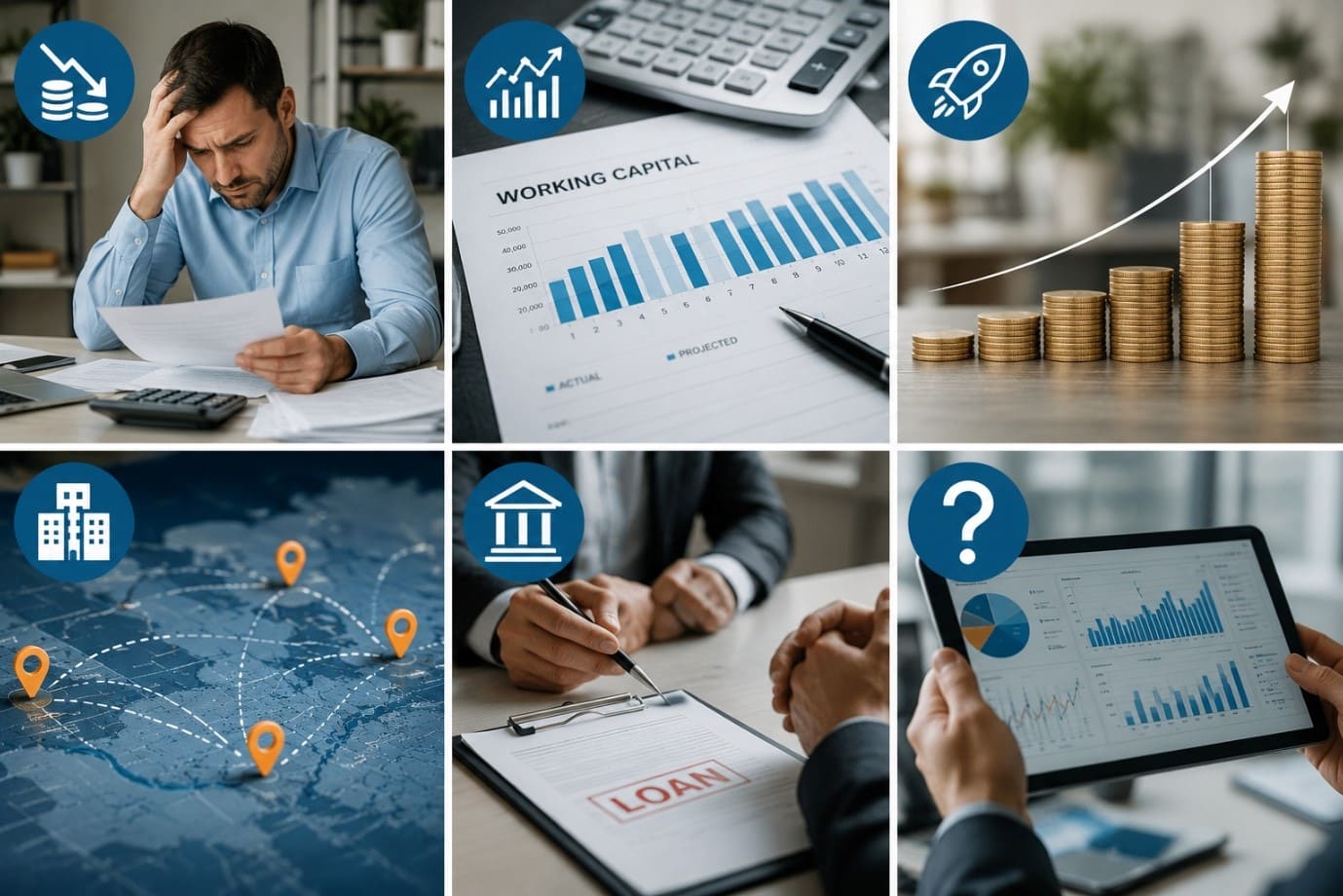

- Frequent Cash Shortages: If your business regularly struggles to meet payroll, vendor payments or operational expenses despite generating revenue, it may indicate weaknesses in your cash flow forecasting process.
- Unpredictable Working Capital:Constant fluctuations in working capital can make it difficult to manage daily operations. Professional cash flow forecasting helps identify patterns and improve liquidity management.
- Rapid Growth: Business expansion often increases financial complexity. Accurate cash flow projection becomes essential when hiring employees, launching products or entering new markets.
- Multiple Business Locations: Managing finances across multiple locations can make forecasting cash flows more challenging. Professional support helps consolidate data and improve forecasting accuracy.
- Difficulty Securing Financing: Lenders and investors often require detailed cash flow projections before approving funding. Weak financial forecasts can reduce access to capital and growth opportunities.
- Lack of Financial Visibility: If business leaders lack a clear understanding of future cash inflows, cash outflows and liquidity requirements, decision-making becomes more difficult. Modern cash flow forecasting software combined with professional expertise can improve visibility, enhance planning and help businesses build a more reliable forecasting framework for sustainable growth.
Conclusion:
In an increasingly competitive and unpredictable business environment, cash flow forecasting has become far more than a routine financial exercise. It is a strategic business tool that helps organizations gain visibility into future cash inflows and cash outflows, enabling them to make informed decisions with greater confidence. Whether managing day-to-day operations, planning for expansion, securing financing or navigating economic uncertainty, effective forecasting plays a vital role in maintaining financial stability and supporting long-term growth.
As discussed throughout this blog, accurate forecasting of cash flows allows businesses to anticipate potential cash shortages, optimize working capital and allocate resources more effectively. A well-prepared cash flow projection not only improves liquidity management but also strengthens profitability by helping organizations identify opportunities and risks before they impact business performance. Regularly forecasting cash flows empowers business leaders to respond proactively to changing market conditions rather than reacting to financial challenges after they arise.
However, achieving reliable results requires more than simply estimating future income and expenses. Businesses must continuously review assumptions, monitor actual performance and leverage modern cash flow forecasting software to improve accuracy and efficiency. Most importantly, professional financial guidance can help organizations develop robust forecasting models, enhance decision-making and align financial planning with strategic objectives.
Ultimately, businesses that prioritize cash flow forecasting are better positioned to improve financial control, support sustainable growth, and build long-term resilience in an ever-changing marketplace.
For more information, explore our Homepage.
Frequently Asked Questions (FAQs)
Q1. How does cash flow forecasting differ from a cash flow projection?
A. While the terms are often used interchangeably, cash flow forecasting refers to the overall process of predicting future cash movements, whereas a cash flow projection is the actual financial statement or report that presents the estimated cash inflows and cash outflows for a specific period.
Q2. What are the key benefits of cash flow forecasting for businesses?
A. Effective cash flow forecasting helps businesses improve liquidity management, plan for future expenses, identify potential cash shortages, support investment decisions and maintain sufficient funds to meet operational obligations. It also strengthens long-term financial planning and risk management. For more information related to management, you can go through our dedicated blog on Cash Flow Management.
Q3. What information is required for forecasting of cash flows?
A. Successful forecasting of cash flows requires historical financial data, sales forecasts, accounts receivable information, expense estimates, loan repayment schedules, tax obligations and other expected sources of cash flows. Accurate data improves forecast reliability.
Q4. How often should businesses update their cash flow forecasting models?
A. Businesses should review and update their cash flow forecasting models regularly. Many organizations update forecasts weekly or monthly to reflect actual results, changing market conditions, and revised business assumptions. Frequent updates improve the accuracy of forecasting.
Q5. What role does cash flow forecasting software play in financial planning?
A. Modern cash flow forecasting software automates data collection, tracks financial performance, generates real-time reports and improves forecast accuracy. By leveraging cash flow forecasting software, businesses can streamline forecasting, reduce manual errors and make faster financial decisions.


Leave A Comment